
If feeding your kids feels harder than it should… you’re not imagining it.
Parents today are swimming in nutrition advice. One voice says cut sugar. Another says carbs are the problem. Another warns about dyes, seed oils, snacks, screens, timing, balance, variety, exposure, pressure, no pressure… it’s exhausting.
Somewhere along the way, feeding kids stopped feeling intuitive and started feeling like a test we’re all failing.
K Bear Foodie exists because I’ve been there — standing in the kitchen, wanting to do better for my child, while also wanting food to feel normal again.
Not perfect.
Not rigid.
Not stressful.
Just supportive.
Doing Your Best Really Is Enough
Most parents like you are already doing more than they realize. Heck, if you’re reading this blog, it means you care enough!
You’re thinking about ingredients.
You’re reading labels.
You’re trying to offer balance in a world that doesn’t make it easy.
The problem isn’t effort — it’s pressure.
Kids don’t need flawless meals. They need consistent nourishment over time. That’s how bodies learn, brains develop, and trust with food is built.
When we zoom out instead of obsessing over a single meal or snack, everything changes. Nutrition becomes a long game — and suddenly, “doing your best” actually is enough.
Small Shifts Add Up (More Than Big Overhauls Ever Will)
You don’t need a pantry purge or a total reset. In fact, those usually backfire.
What works is small, realistic shifts that fit into real family life.
Here are a few examples parents can start with today:
1. Upgrade one snack, not all of them
Instead of a processed snack every day, try packing fresh fruit a few times a week — apple slices, berries, grapes, or a banana. No rules. No perfection. Just a gentle nudge toward real food, more fiber and hydration.
2. Pair, don’t remove
If your child loves crackers, pair them with something that adds protein or fat — nut butter, cheese, yogurt, or a smoothie. This helps stabilize blood sugar and keeps kids fuller longer.
3. Start with breakfast
Breakfast sets the tone for the day. Adding protein, healthy fat, or fiber — even in small amounts — can support sustained energy and fewer meltdowns.
These shifts may seem minor, but over weeks and months, they compound. And they do so without creating resistance or stress around food.



Releasing the Guilt Around Kids’ Eating Habits
Food guilt is heavy — and kids feel it, even when we don’t say it out loud.
Letting go of guilt doesn’t mean not caring. It means changing how we talk about food and how we talk to ourselves.
Here are a few ways to start:
1. Stop labeling foods as “good” or “bad”
Instead, talk about how foods make our bodies feel. Some foods help build our muscles. Some foods help our brains focus. Some foods are fun and delicious but don’t keep us full for very long. Both can exist.
2. Zoom out from one meal
One snack, one birthday party, or one “off” day doesn’t define your child’s health. Patterns over time matter far more than moments.
3. Separate food from behavior
Food isn’t a reward or a punishment. When we remove moral weight from eating, kids learn to trust their bodies instead of fearing or yearning for food and treats.
Guilt disconnects us. Curiosity reconnects us. If you make learning about food fun, you open up the opportunity for your kids to ask questions and experiment with different foods.
Food Is About Nourishment and Connection
Food is never just food.
It’s how we gather.
It’s how we celebrate.
It’s how we pass down culture, memories, and comfort.
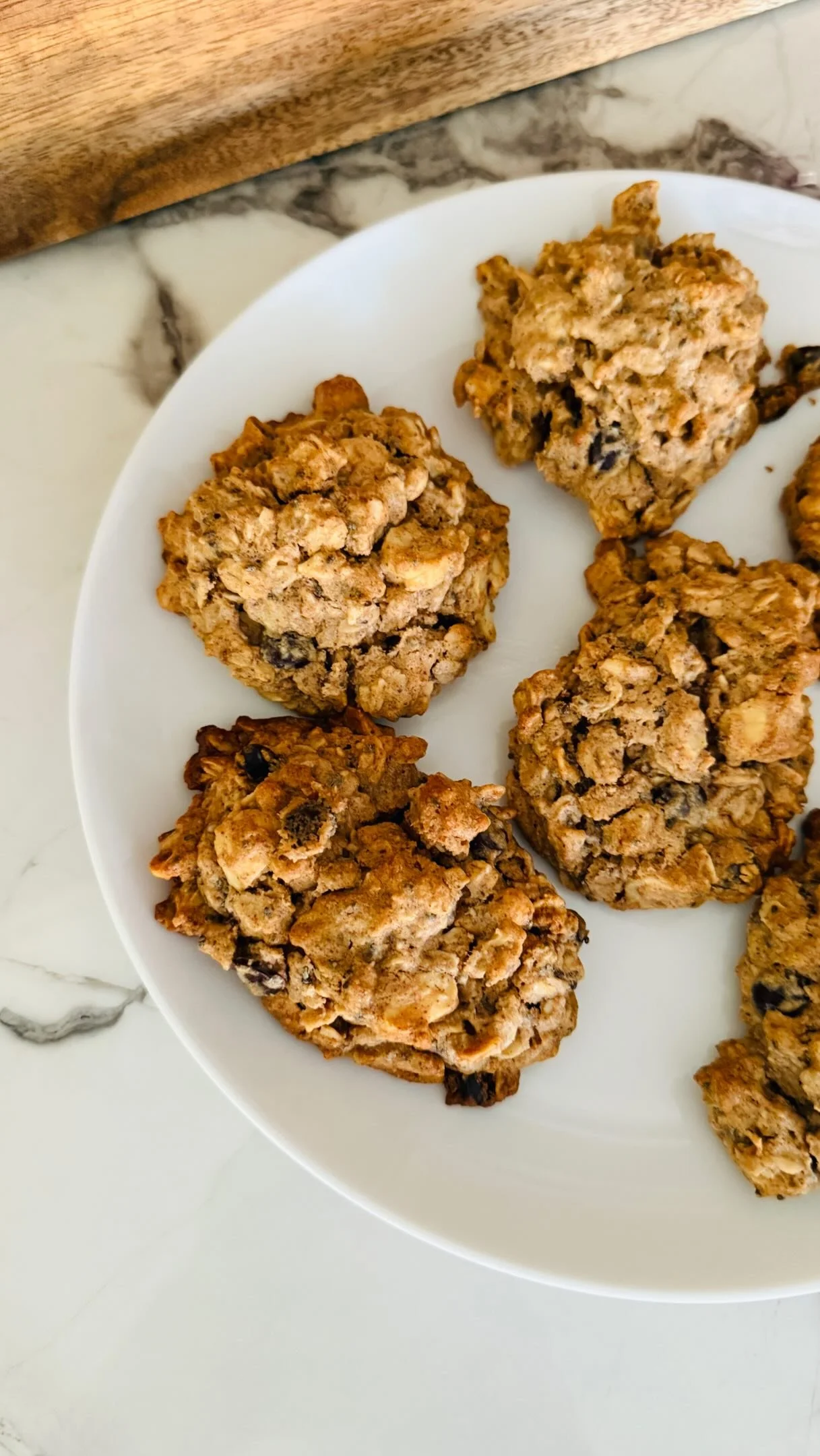
Some of my favorite moments with my son happen in the kitchen — making smoothies, baking cookies, music playing, dancing while something’s in the oven. Those moments matter just as much as what’s on the plate.
We will never stop baking together.
We will never stop sharing meals with friends and family.
We will never stop letting food be joyful.
Nutrition doesn’t have to strip food of its magic. It can support it.
When food feels safe, kids are more open. When meals feel relaxed, connection and curiosity deepens. When parents feel confident instead of judged, everyone eats better — emotionally and physically.
Why K Bear Foodie Exists
K Bear Foodie is here to simplify, not complicate.
To help parents make small, meaningful shifts without shame.
To talk about food in a way that supports bodies and nervous systems.
To remind families that nourishment and joy are not opposites.
If you’ve ever felt overwhelmed, unsure, or like you’re not doing enough — I see you.
You’re not behind.
You’re not failing.
You’re already doing more than you think.
And you don’t have to do this alone.